
OLO
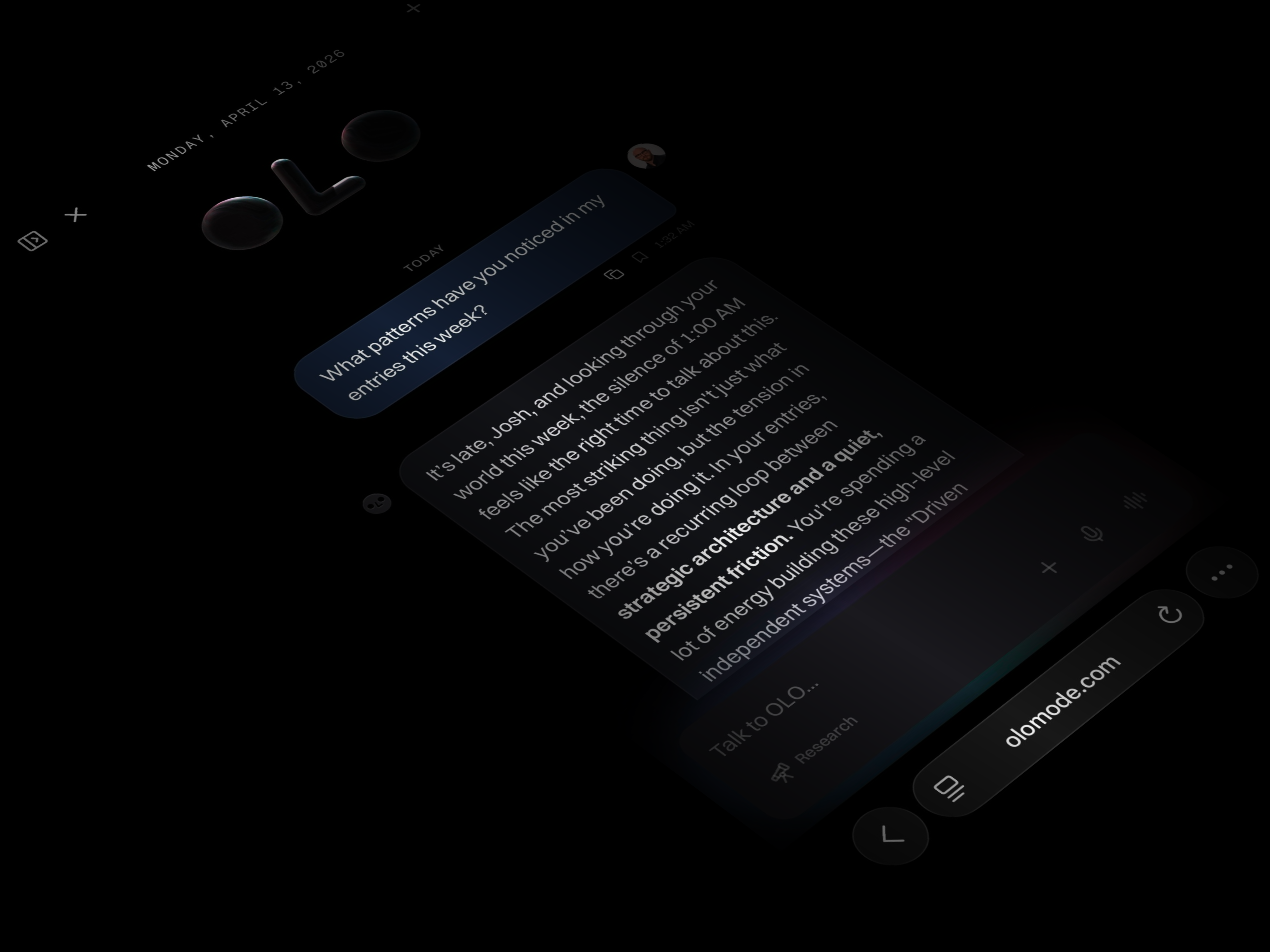
Analyzes your AI conversation history to surface patterns in how you think and make decisions.
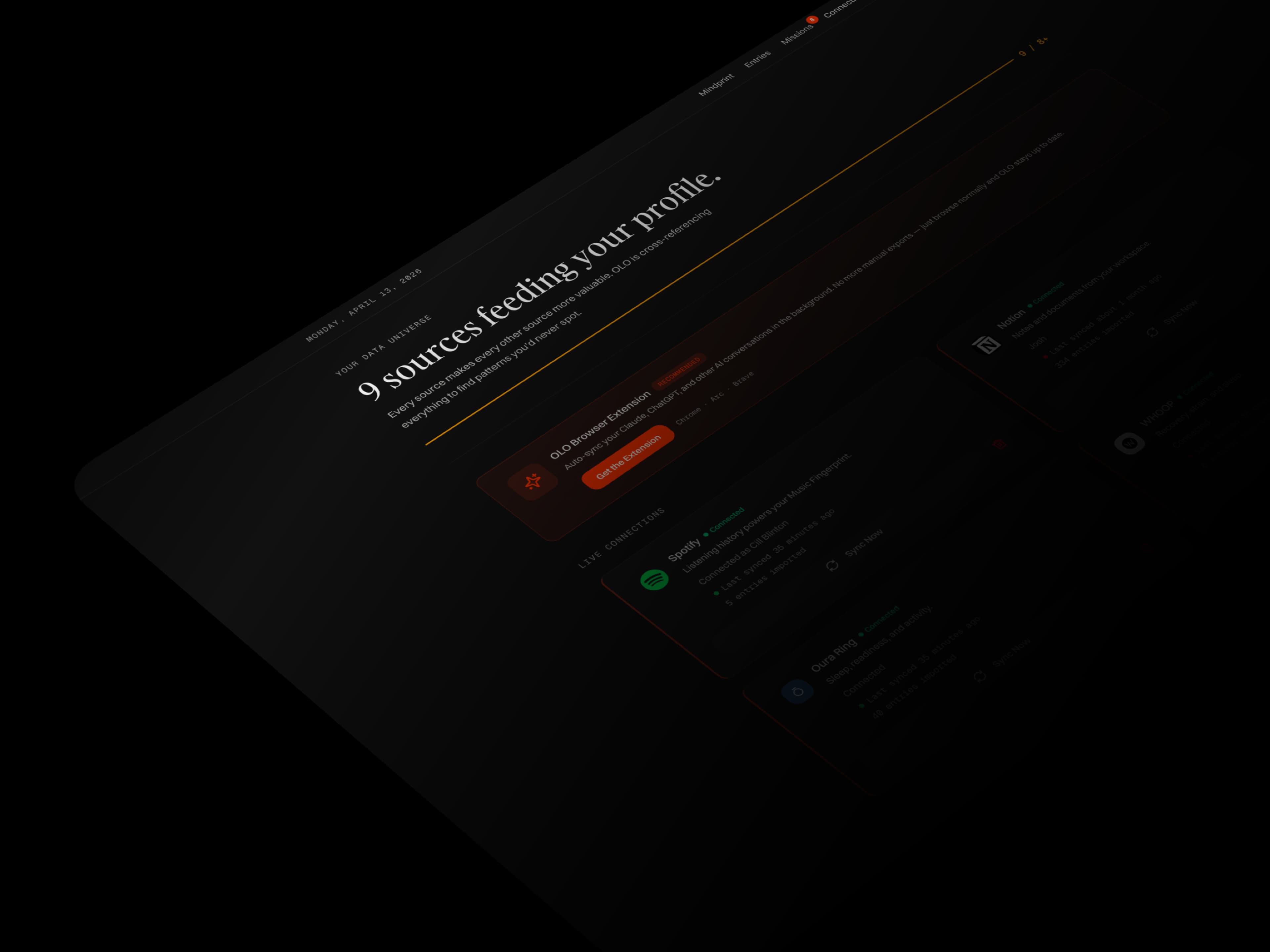
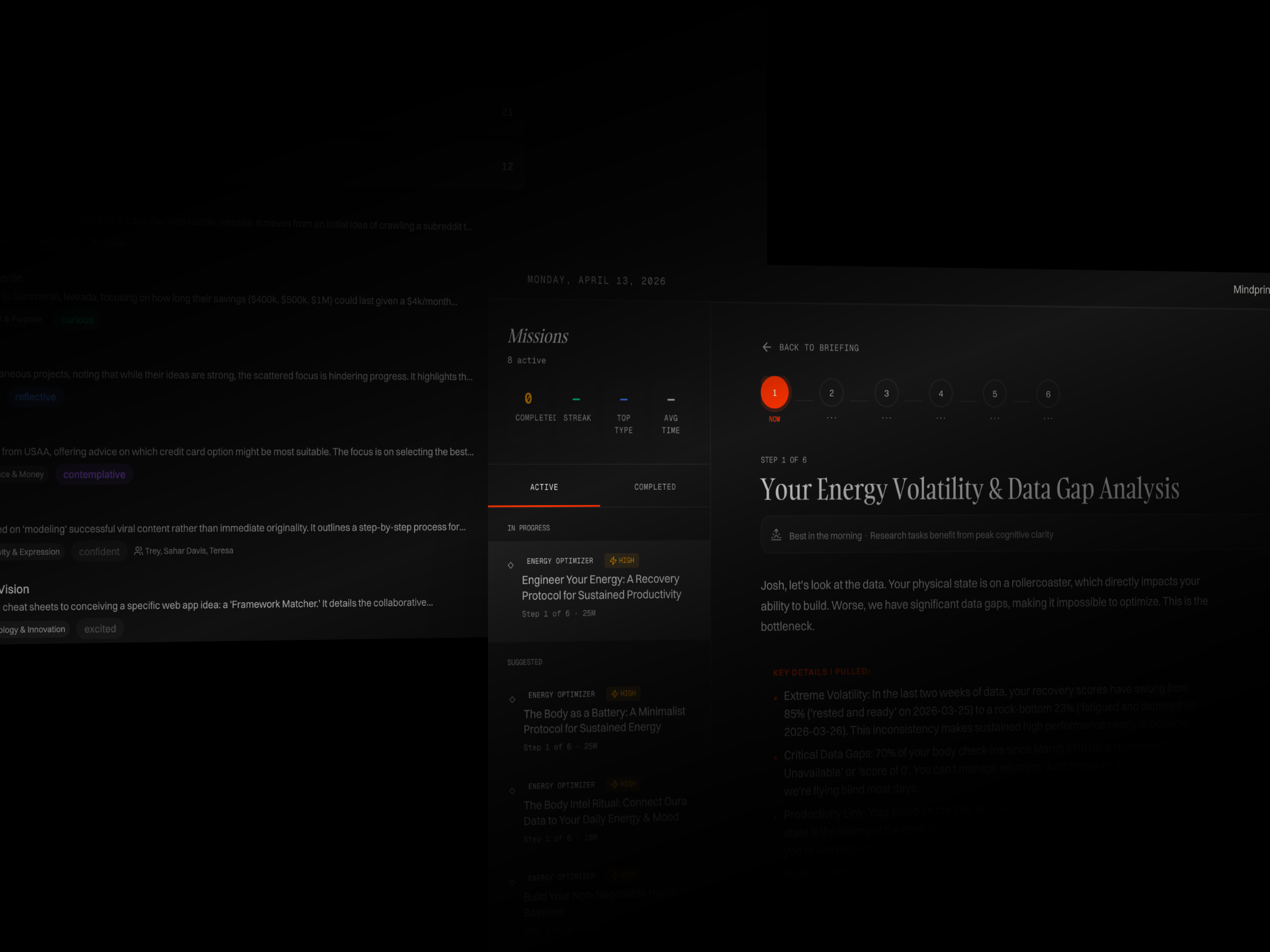
Most people use AI assistants daily — asking questions, working through problems, drafting ideas — but all of that cognitive exhaust disappears into a black hole. OLO was built on the observation that your conversation history with AI tools is actually a remarkably rich dataset about how your mind works: what topics obsess you, how you frame problems, where you get stuck, how your thinking evolves over time. Nobody was doing anything with that data except the AI companies themselves.
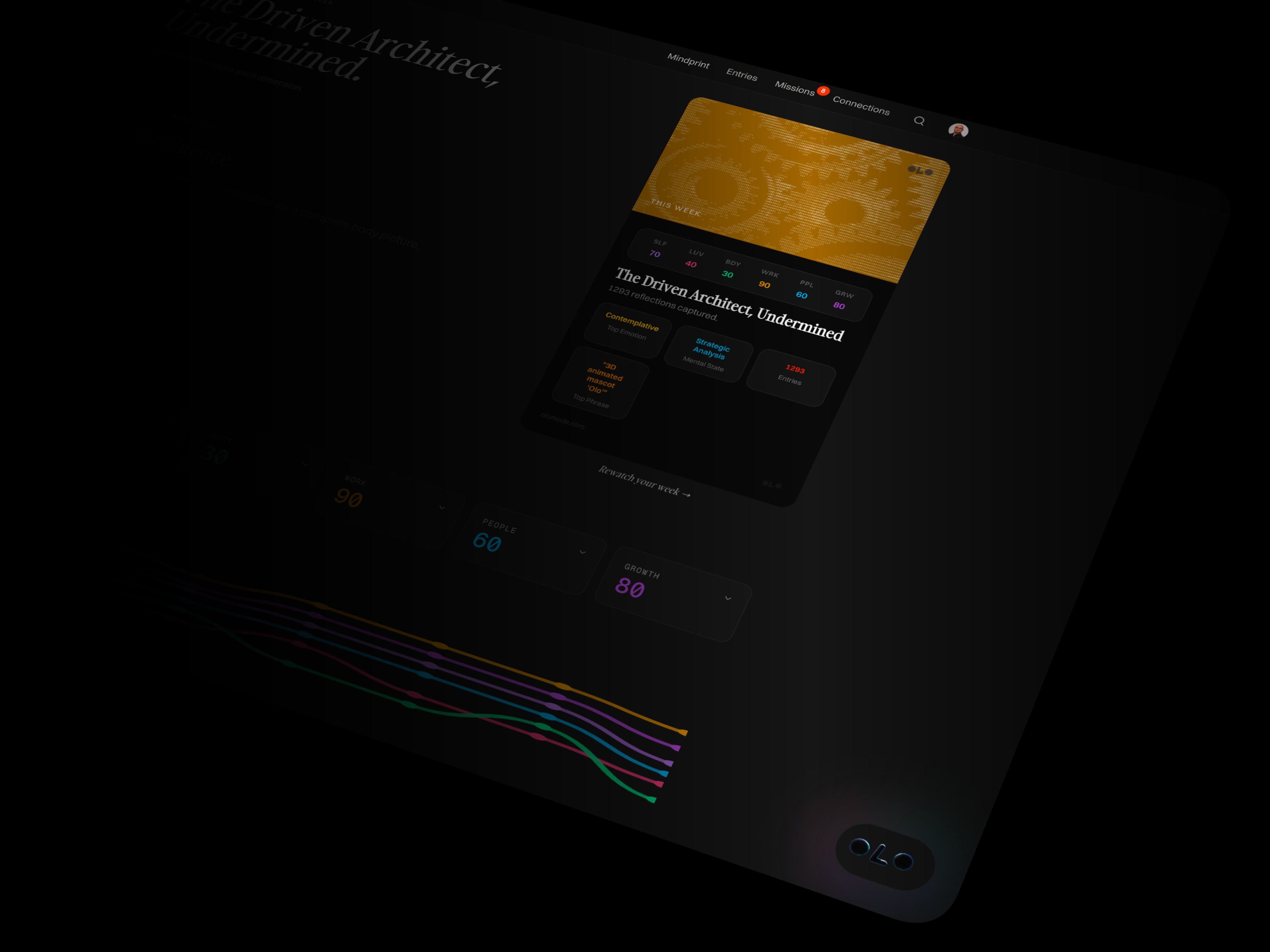
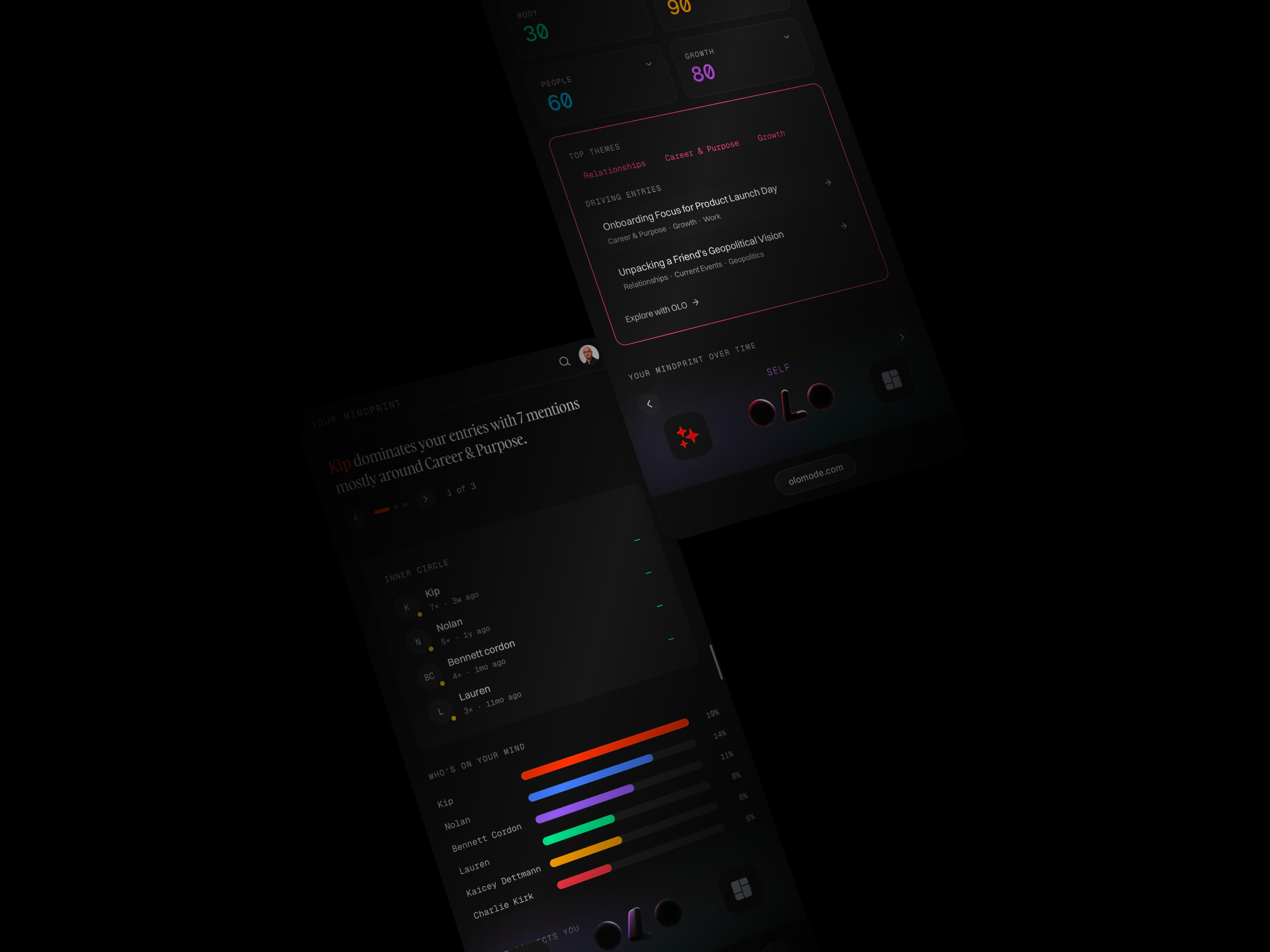
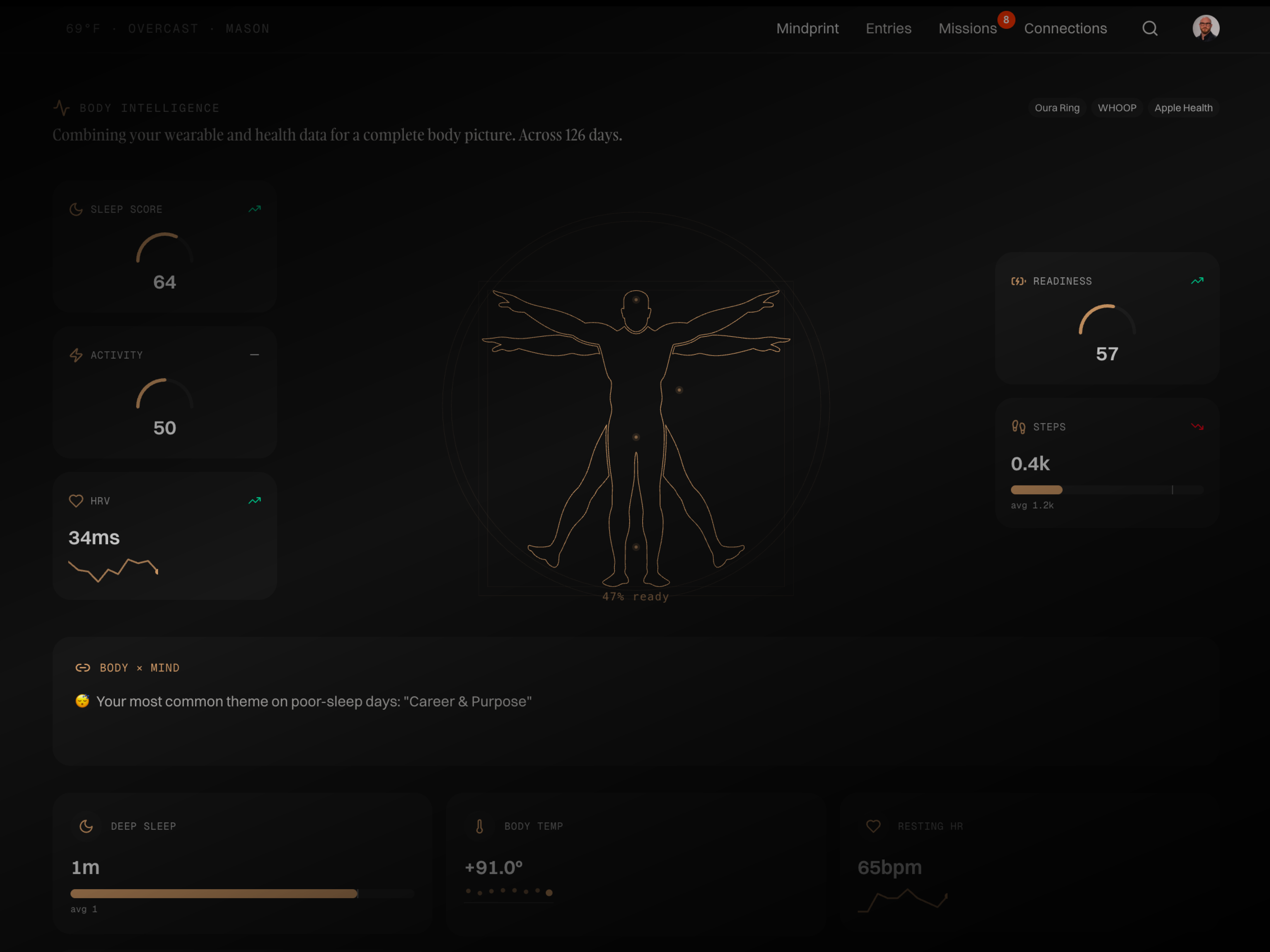
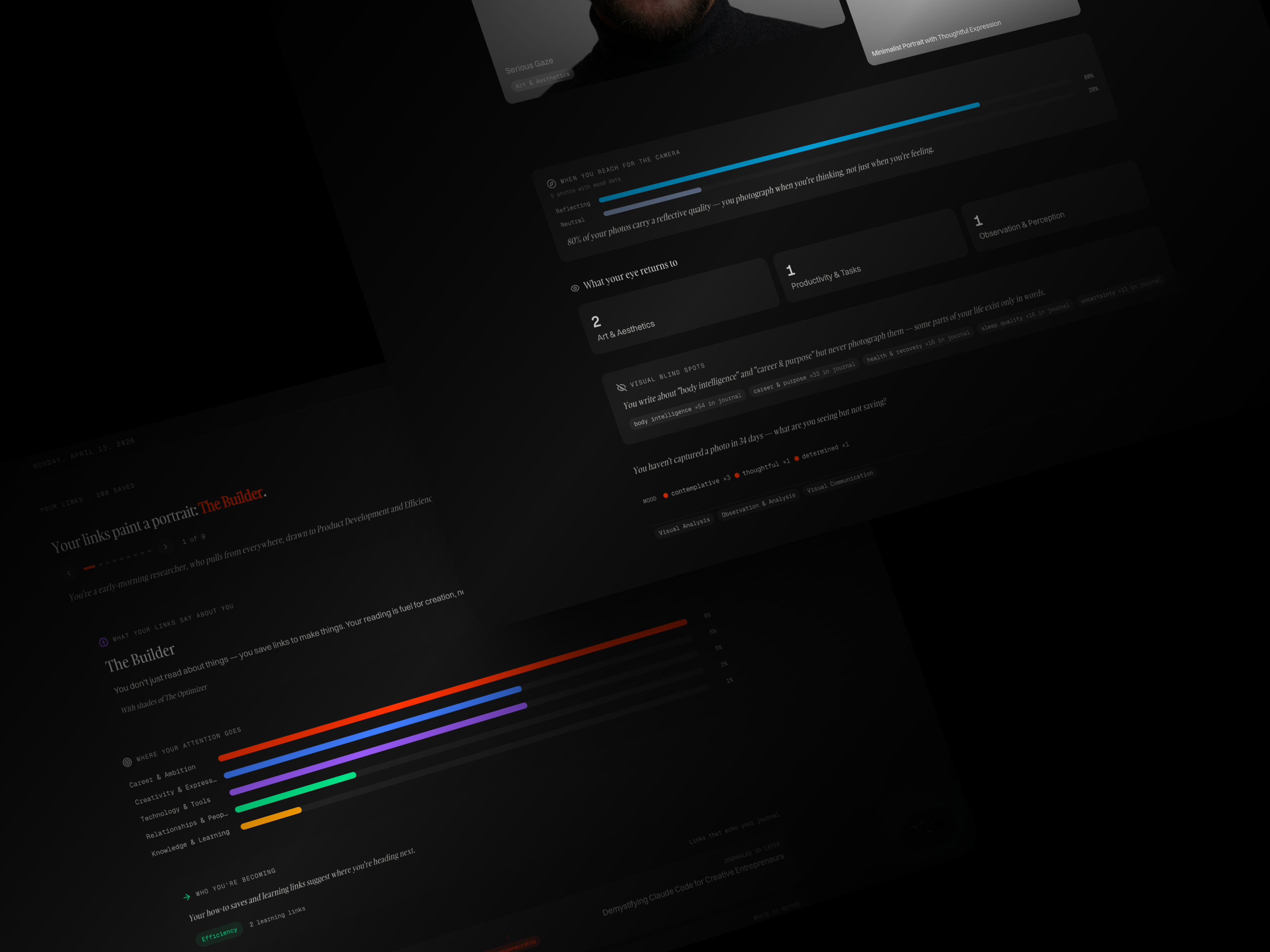
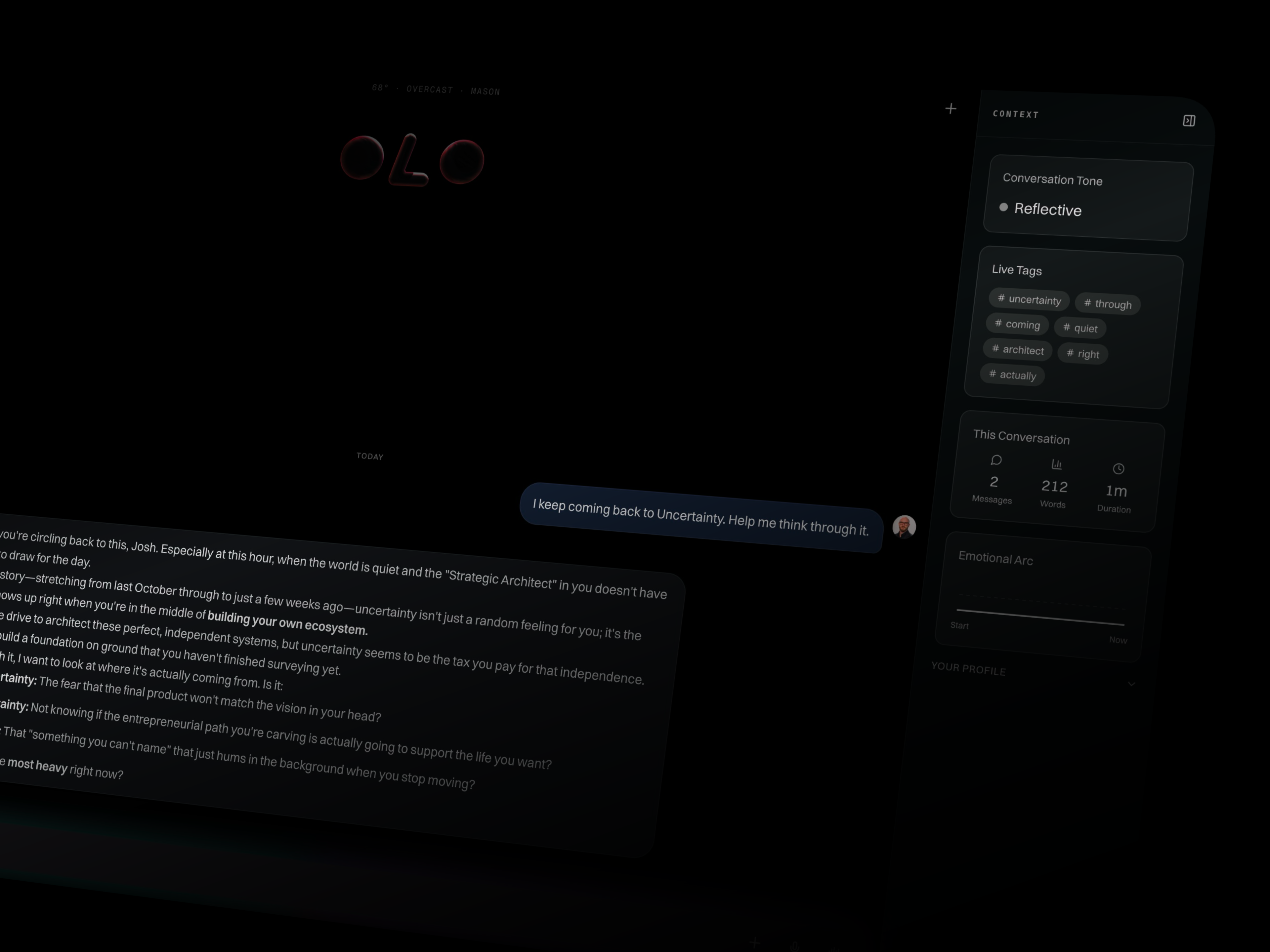
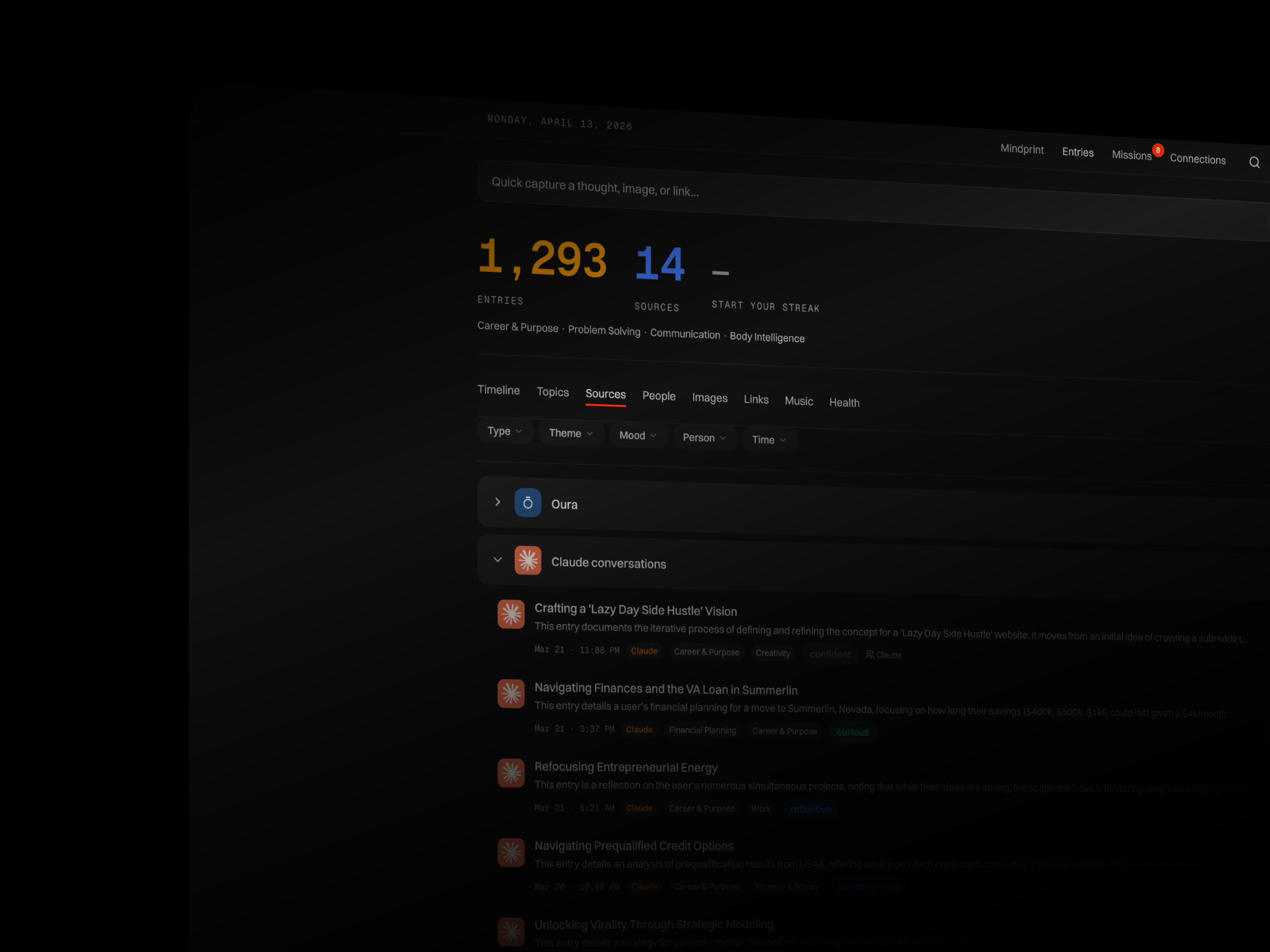
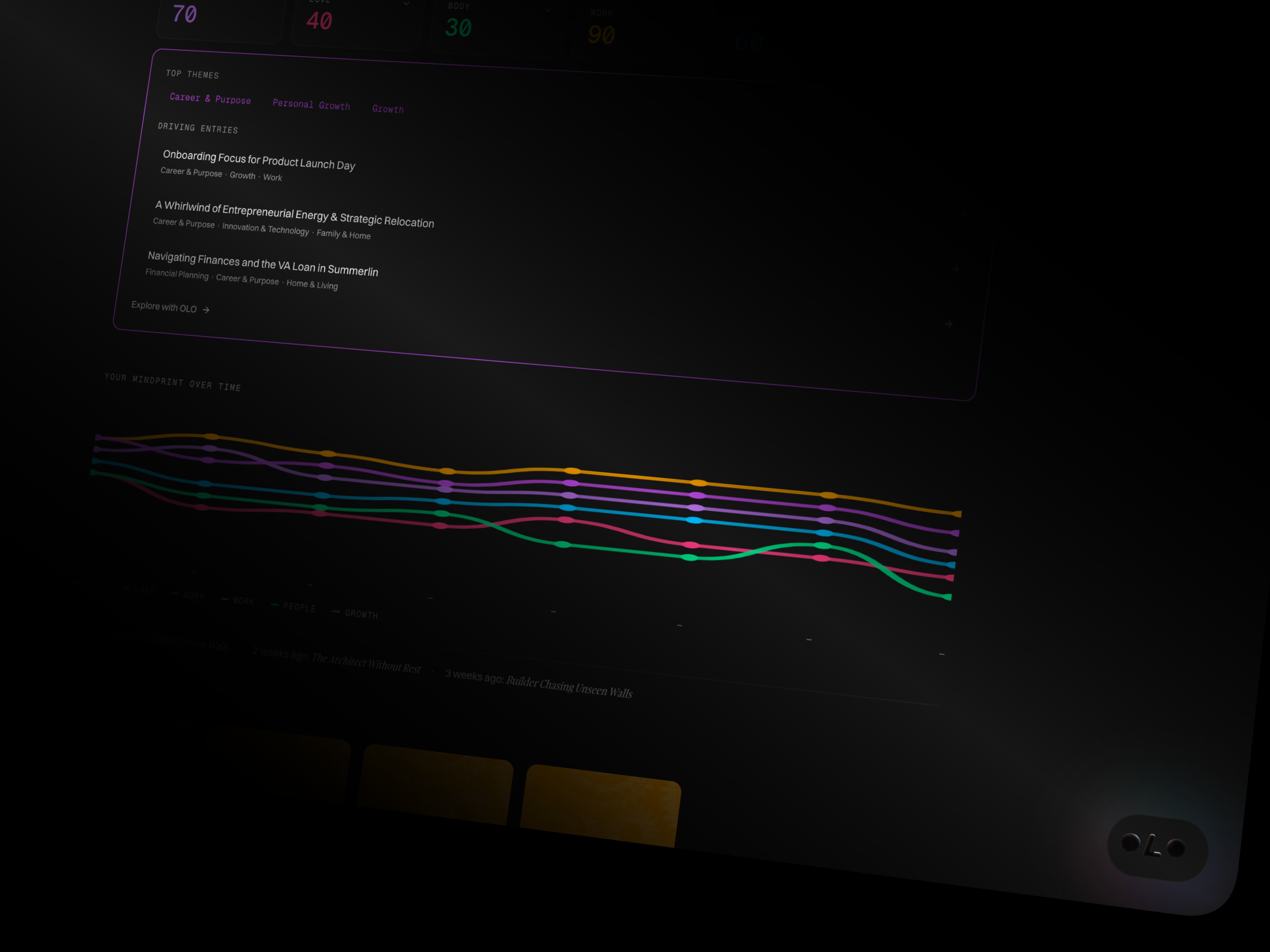
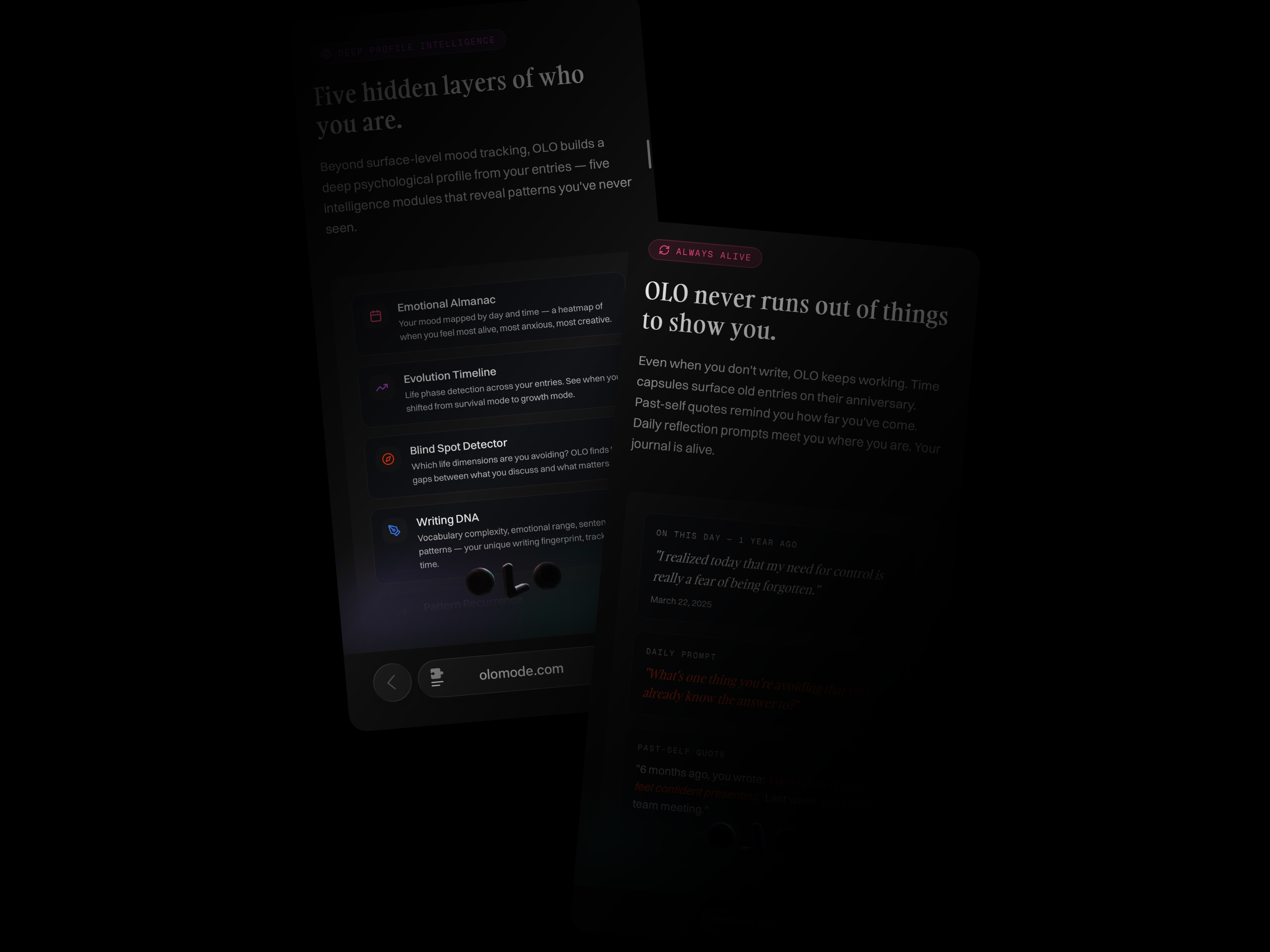
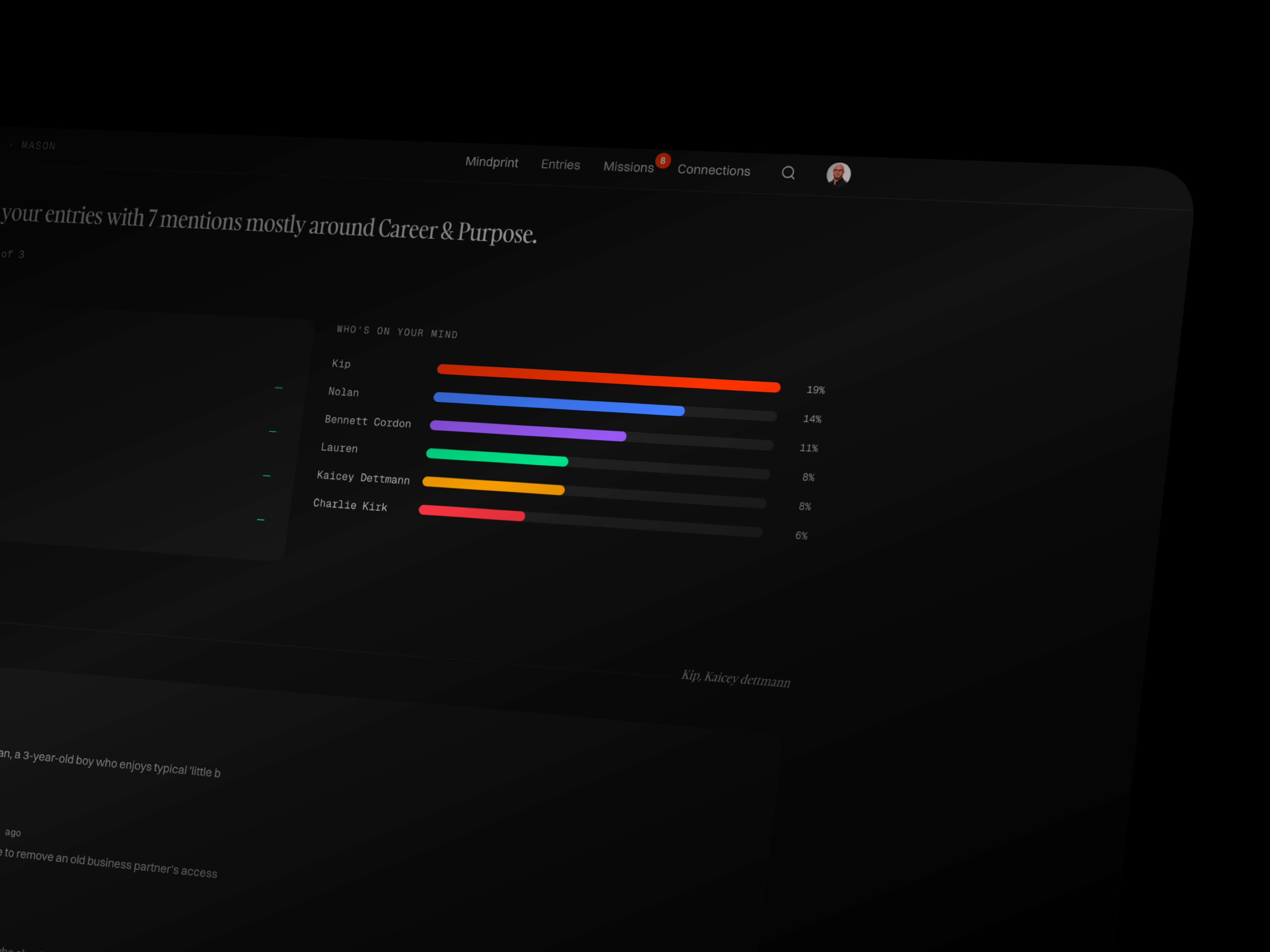
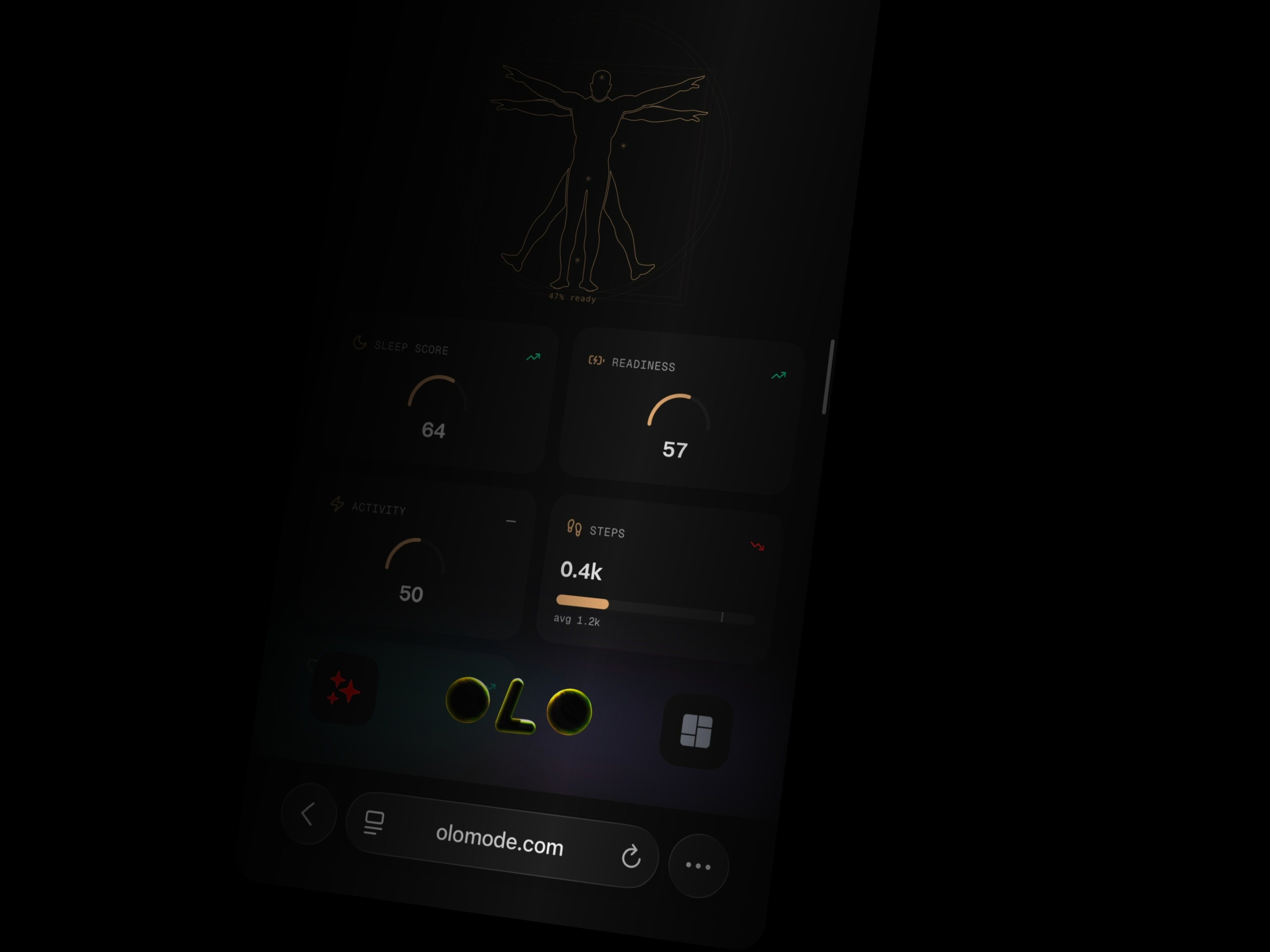
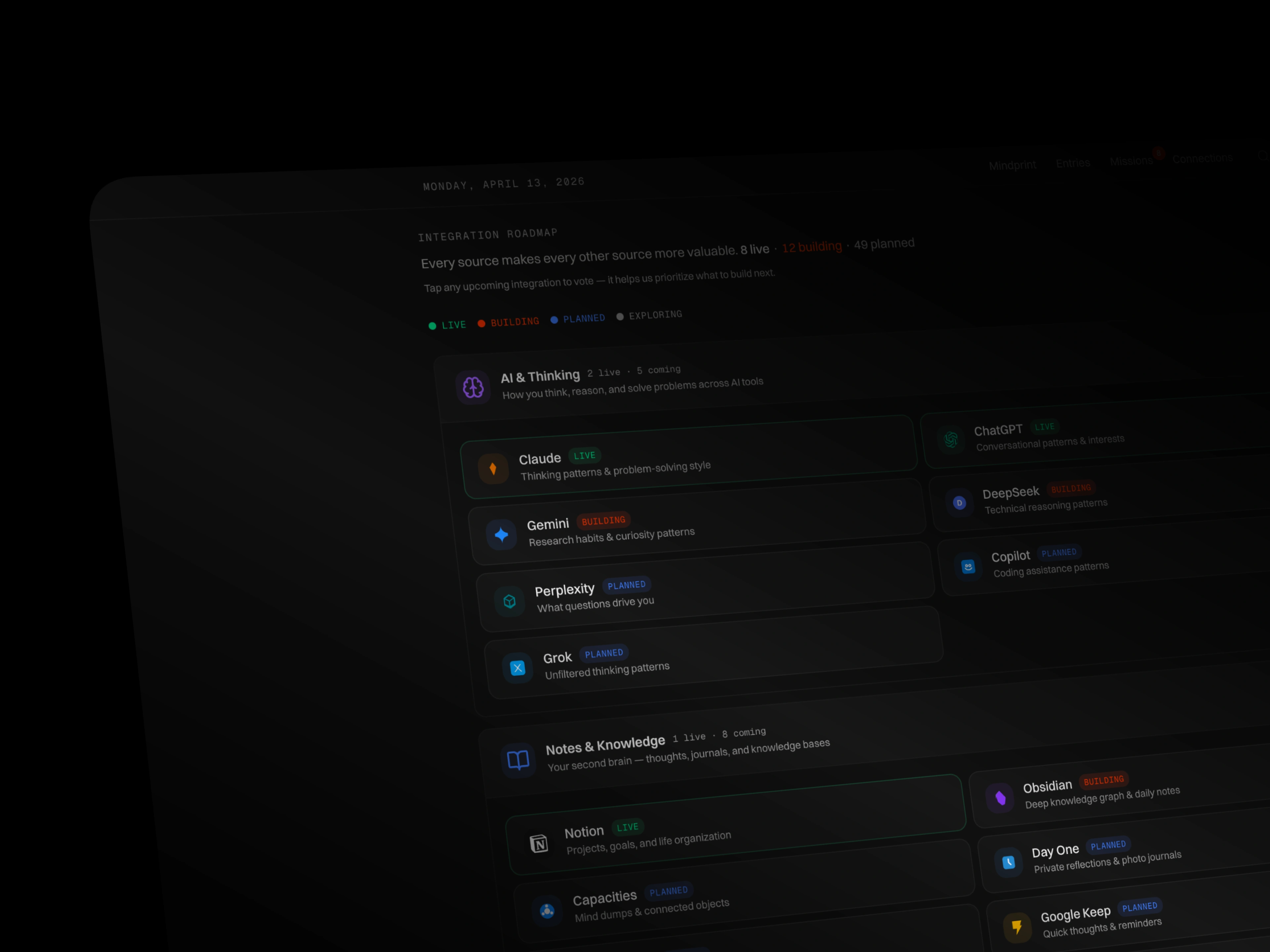
OLO lets you import your conversation exports from tools like ChatGPT and treats them as a personal intelligence dataset. The core insight driving the architecture is that the *way* you ask questions is as revealing as *what* you ask. By analyzing linguistic patterns, topic clustering, decision frameworks, and communication style across hundreds or thousands of exchanges, OLO builds a model of your cognitive fingerprint — not a personality quiz result, but something derived entirely from your actual behavior.
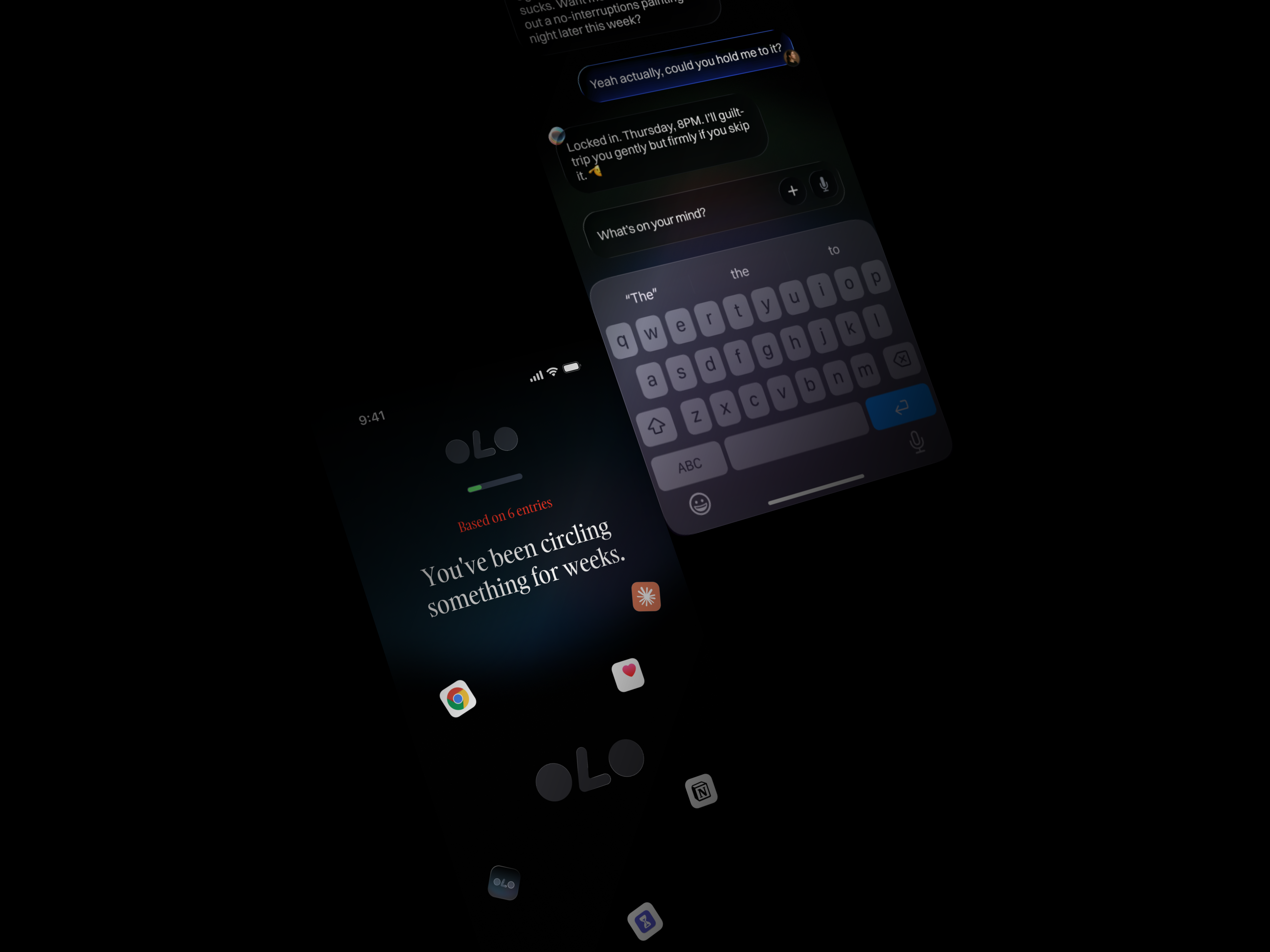
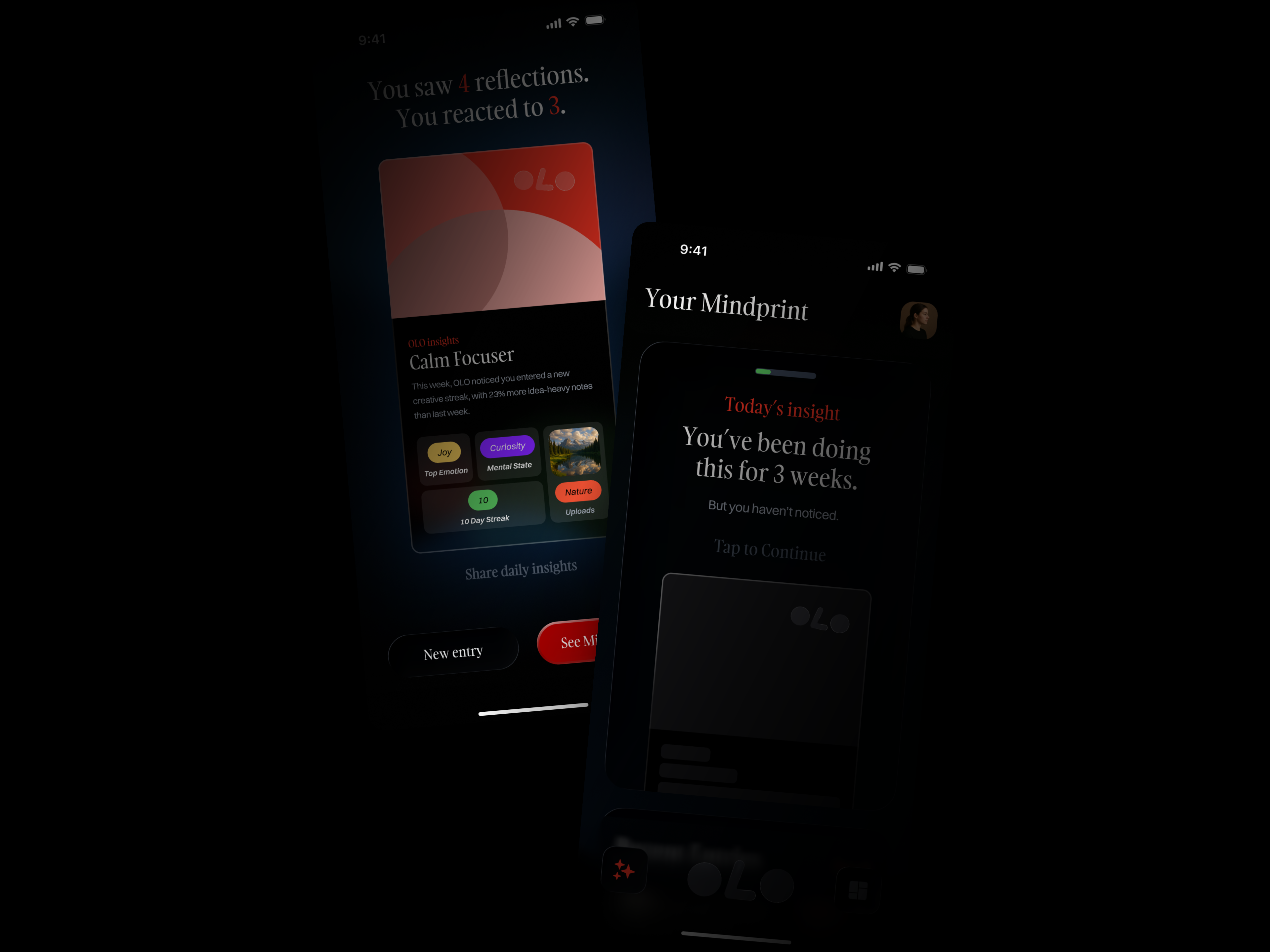
The 'Spotify Wrapped for your brain' framing isn't just a marketing hook — it captures the product philosophy. Spotify Wrapped works because it reflects back data you generated without thinking about it, and the recognition feels visceral and accurate. OLO applies the same principle to intellectual behavior: you weren't performing for an audience when you were debugging code or thinking through a career decision at midnight, so the patterns that emerge carry more signal than any self-reported assessment. The presentation layer is designed to make these insights feel like discoveries rather than reports.
What makes OLO technically distinct is that it operates on data you already own and export yourself — there's no passive surveillance or account linking required. The analysis runs against your own exported data, which sidesteps the trust and privacy problems that would otherwise make a product like this a non-starter. The goal is to make the insights feel like a mirror, not a profile.
More from the work